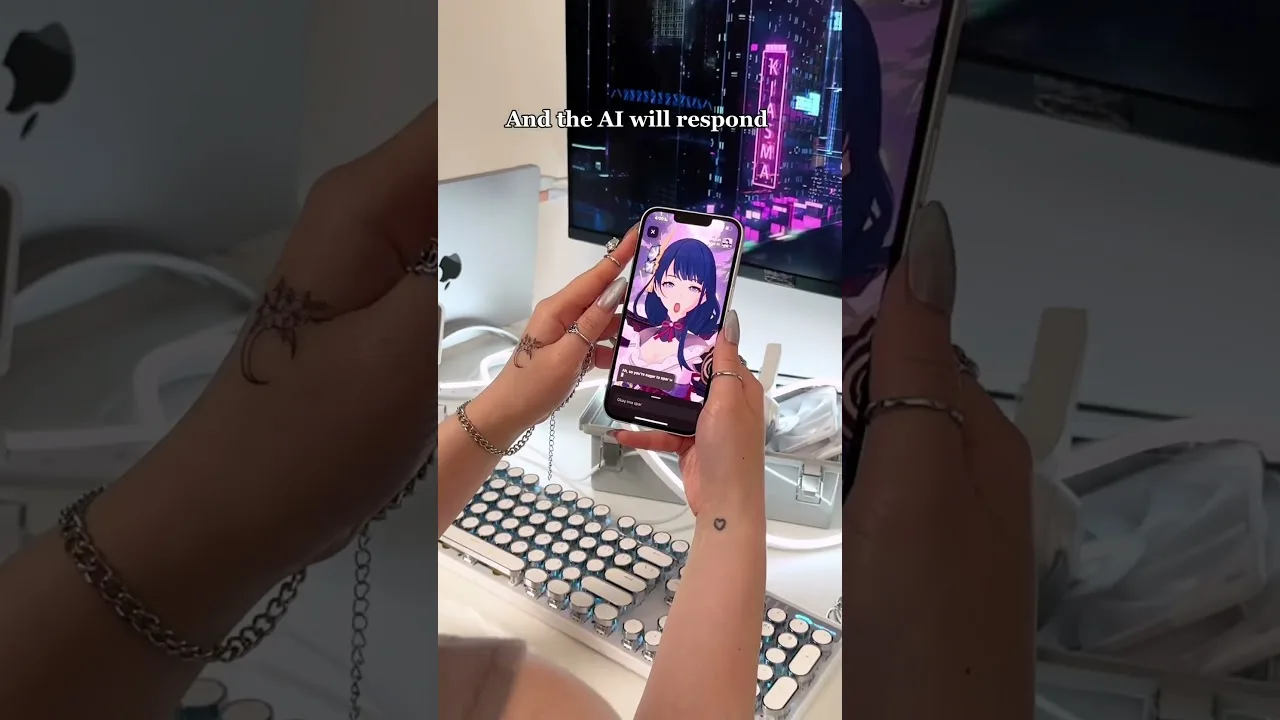
Jojo AI Chat Tips: Better Roleplay and Longer, Richer Scenes
Roleplay quality is a collaboration, and the user's half of it is learnable craft: scenes live or die on what your messages give the character to work with. This guide teaches the moves that transform chats in Jojo AI for Android phones — opening with purpose, writing replies that carry action and feeling, steering a drifting scene without breaking it, asking the questions characters love, and rescuing conversations that have gone flat.
None of this requires writing talent. It requires the handful of habits below, each of which can be practised in your very next message.
If your chats have felt like interviews with a polite stranger, this page is the repair manual.
Give Every Scene Something to Do
Scenes need a verb: a journey, a negotiation, a problem, a celebration, a mystery at the door. 'Talking with the character' is not an activity; it is the absence of one, and absence is why conversations idle into small talk by the tenth exchange. Enter with the errand, the trouble, or the plan already in hand.
Shared tasks create natural dialogue — questions have purposes, disagreements have stakes, and silences can be filled with the work itself. When a chat starts to drift, introduce a task rather than more talk; stories move on errands.
Write Replies That Carry Something
The reply that feeds a scene contains at least one of: an action, a feeling, a detail, or a decision. 'I laugh and hand her the map — the corner is still wet from the river' gives the character weather, humour, and an object to react to. Compare 'okay' or 'that's interesting', which hand the character an empty plate and ask for a meal.
Length follows richness, not effort: two sentences carrying action and feeling outperform a paragraph of summary. The discipline is simply never sending a message the character cannot use. The persona you bring into the scene matters here too — see Jojo AI personas and profiles.
Ask Questions the Character Wants to Answer
Questions about the character's past, opinions, skills, and wants invite performance; yes-no questions and factual interrogations invite reports. 'What did the harbour look like the morning after the storm?' will always out-chatter 'Do you like the sea?' because the first asks for a scene and the second for a vote.
Follow the answers with the details they offered — the named boat, the mentioned winter — and the character will feel remembered, because within the conversation, it has been. Memory across sessions is its own craft, in Jojo AI memory and long conversations.
Steer Gently, in Character
When a scene drifts — tone slips, the character forgets the errand — steer from inside the fiction first: a line of dialogue that re-anchors ('We still need that key before dark, keeper') repairs most drift without breaking the spell. Save out-of-character corrections for genuine derailments; fiction heals small wounds better than edits do.
If the character's voice itself slips persistently, the definition may need the revision craft from character creation rather than repeated in-scene correction. Steering is for scenes; definitions are for patterns.
Play Your Side Honestly
Give your persona reactions, limits, and the occasional refusal: a character whose every suggestion you accept has no one to play against. Disagreement, teasing, and changing your mind in scene are gifts — they hand the character decisions to respond to and a person to respond as.
Emotion is playable too. Let your side be annoyed, delighted, or quietly sad when the scene earns it, and say so in the reply rather than performing neutrality. Scenes between two neutral parties generate weather reports, not stories.
Revive a Flat Conversation
The standard revivals, in order: a time skip ('Three days later, the road has dried…'), a new arrival or event (a knock, a letter, weather turning), a confession or revelation from your side, or a change of place. Each re-asks the scene its favourite question — what happens next — with fresh material attached.
If three revivals fail, the pairing itself may be spent, and ending a story well is also craft: give it a closing scene rather than letting it evaporate, and start the next character with the lessons this one taught. Beginnings are a skill too — the ideas guide in this library stocks them.
Pace for the Long Game
Leave threads open on purpose: the unanswered question, the promised story, the errand for tomorrow. A conversation where everything resolves nightly has nothing to return to; serial stories persist because each session ends with a small debt the next one collects.
End sessions at a hinge, not an exhaustion — the door half open, the decision pending. Your future self, reopening the chat, will thank the cliffhanger you left instead of the ashes you ground out.
Verbs for scenes, substance in replies, questions that invite performance, gentle steering, honest play, and endings that leave a debt: six habits, and the same character will feel twice as alive by Friday.
Pick one habit for your next message only. Craft adopted one scene at a time is the kind that survives contact with an actual story.
A small closing discipline ties the habits together: after a good session, note the single move that made it good — the question, the detail, the decision — in one line in your notes. Within a month you will own a personal playbook written in evidence rather than advice, tuned to your taste and your characters. This guide can hand you the general craft; only your own sessions can hand you yours.