Jojo AI on Low-End Phones: Full Stories on Modest Hardware
The character does not live in your phone; it visits. The language model that voices every character in Jojo AI on Android runs on the service's machines, while your handset composes messages, carries them across the network, and displays the replies — work any modest Android phone handles without strain. This guide separates the real requirements from the imagined ones, so a budget handset gets the full platform: the same characters, the same stories, with housekeeping habits tuned to smaller hardware.
The real constraints are connection quality, data budget, and thread weight. The imagined one — that richer characters need a richer phone — dissolves once the division of labour is clear.
If your phone messages and browses comfortably, it can host long stories at full quality. The rest is arrangement.
What Runs Where
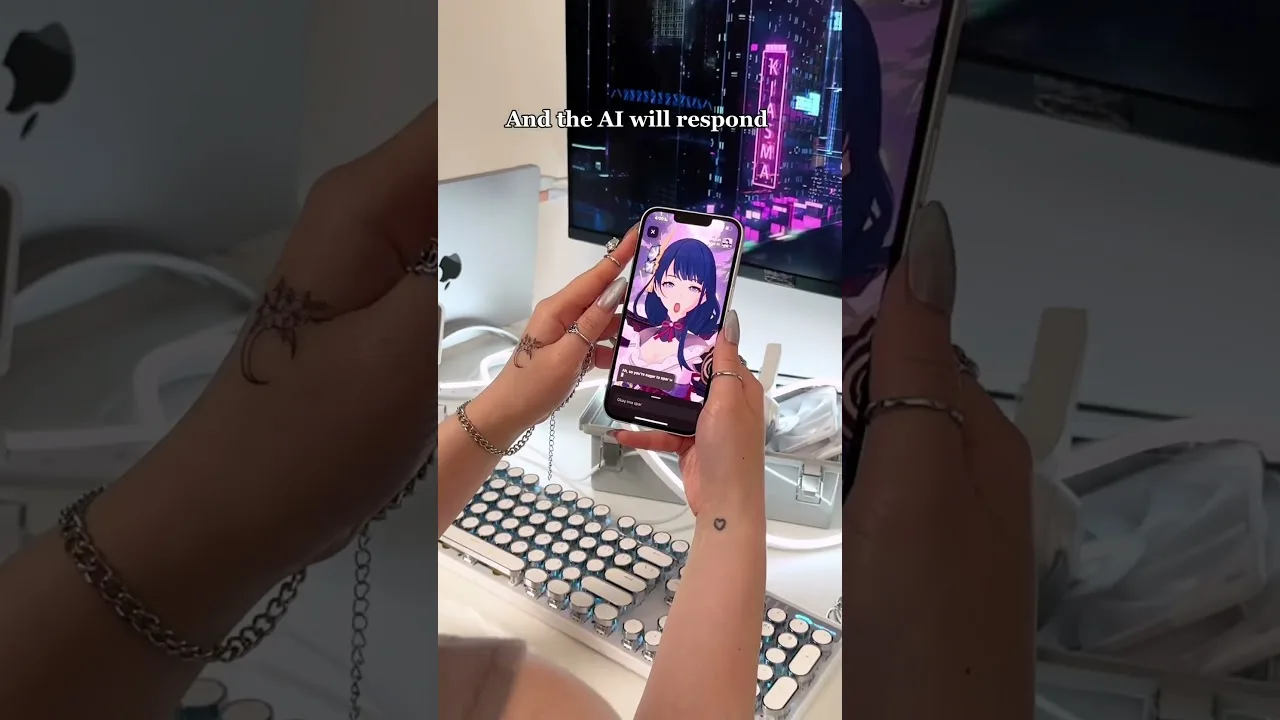
Your phone runs the interface, the conversation view, and any media display; the service runs the model — the part measured in data-centre hardware. The same opening line earns the same character performance on a flagship and on your handset, because neither phone composed the reply; both merely ordered it and set the table.
This is the architecture of the whole category, and it makes the budget phone a first-class citizen of the character era rather than a tolerated guest.
Where Modest Hardware Shows
Very long threads grow heavy to load and scroll on small-memory phones, and media-rich conversations — character artwork, images in chat — ask more of the device than text does. Both are habits-shaped problems: chapter long stories into fresh threads with summary bridges, and let media load on Wi-Fi where possible.
The compatibility floor is stated in the Jojo AI device compatibility guide; comfortable life above it is the housekeeping in this guide, not a specification sheet.
Connection: The Real Specification
Reply speed is generation time plus network time, and on a weak connection the second term can swallow the first. Judge a sluggish evening by the connection's day before indicting the handset, and schedule long story sessions for the household's good Wi-Fi when you can.
Evenings are the platform's rush hour as well as the network's. Short casual chats brave the rush happily; the chapter you have been waiting all week to write deserves the quieter hours.
Data Habits for Small Plans
Text roleplay is remarkably light — a long evening of story costs less data than a minute of streamed video. The spenders are media and any voice features, so treat text as the default mode on a small plan and let media-heavy browsing wait for Wi-Fi.
Keep irreplaceable story text safe in your notes as chapters conclude. Notes cost nothing, travel with you between phones, and mean a lost thread is an inconvenience rather than a bereavement. The chapter habit is taught in Jojo AI memory and long conversations.
Settings and Maintenance That Help
Keep the app updated and its cache cleared occasionally; small phones feel neglected maintenance sooner, and the one-minute clear in this library's cache guide is priced exactly for this hardware class. Free a little storage headroom too — Android itself breathes easier, and every app on the phone shares the benefit.
Close the parade of background apps before a long session if your phone is truly modest. Chat needs little, but it prefers not to queue behind a dozen tenants for the memory it does need.
Battery and Long Sessions
Text chat is gentle; the screen is the session's main cost on any phone. Dim slightly for marathon chapters, plug in at the desk when you can, and a budget battery will outlast most stories' natural stopping points.
Voice features, where offered, spend more — microphone, speaker, and streaming together — so treat voice as the premium mode on a small battery, reserved for the scenes that earn it.
The Honest Verdict
Expect identical characters and identical story quality, a plainer journey inside enormous un-chaptered threads, and housekeeping duties every tier owes in some measure. Nothing about a modest phone demotes you to a lesser version of this platform.
Spend your optimisation on connection, chapters, and notes — the levers that exist at every price — and let flagships keep their advantages for the categories that actually render photographs.
Your phone is the theatre, not the actor. Keep the connection decent, the stories chaptered, and the cache swept, and the performances on your modest stage are the full productions.
The next chapter you write will be exactly as good as the scene you bring to it. That was always the specification that mattered.
Consider also the hand-me-down career this architecture gives a modest phone: retired flagships and budget handsets alike become perfectly good story terminals for a household's second reader, a child's supervised first account, or the bedside device that hosts the evening chapter. The heaviness lives on the service's side of the glass, so the glass itself can be humble for years without the stories shrinking by a single line.
When the day eventually comes to replace the handset, the platform will not notice the funeral: sign in, and your characters, personas, and histories are waiting on the new device before its first case is fitted. The theatre changes; the company of actors moves with your account — which is exactly how it should be for stories measured in months.